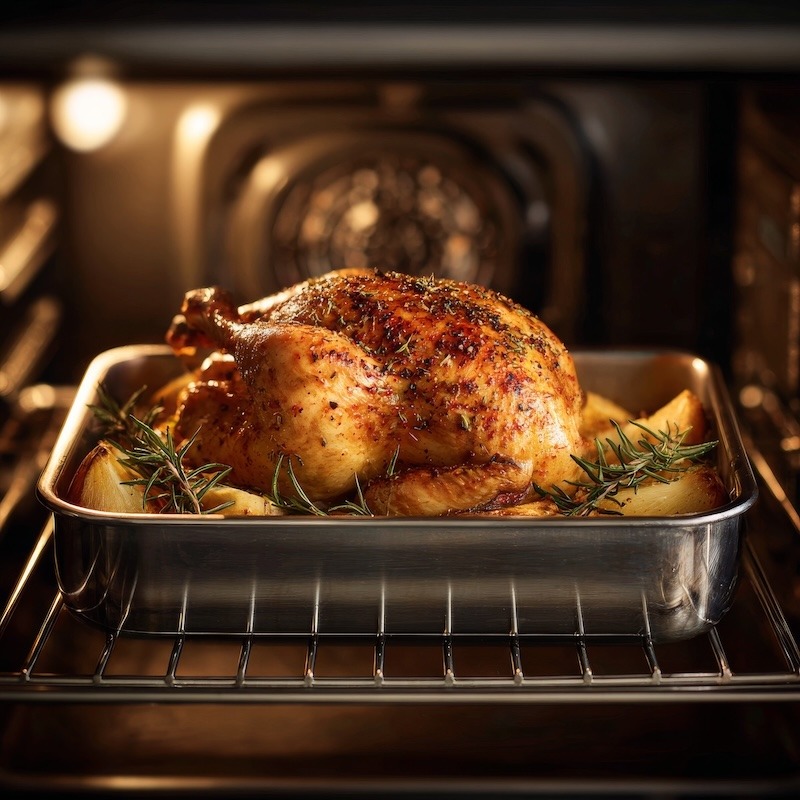
Your Guide to the Easiest, Juiciest Oven Roasted Chicken
There’s something undeniably comforting and deeply satisfying about a perfectly cooked
whole roasted chicken. The aroma filling your kitchen, the golden-crisp skin, and the incredibly tender, juicy meat within – it’s a culinary masterpiece that tastes like it required hours of specialized effort. Yet, the beautiful truth is that mastering a delicious oven-roasted chicken is surprisingly simple, even for novice cooks. With just a handful of fresh ingredients and a few straightforward steps, you can transform a humble bird into a show-stopping centerpiece that’s perfect for a cozy weeknight dinner or a celebratory Sunday feast. Forget complicated techniques; this guide will walk you through creating an easy, flavorful, and unforgettable roasted chicken every single time.
Why Oven Roasted Chicken is a Weeknight (and Weekend) Winner
At its heart, a whole roasted chicken is the epitome of approachable gourmet. It delivers big on flavor and presentation without demanding extensive prep time or a long list of exotic ingredients. This makes it an ideal candidate for both busy weeknights and leisurely weekend gatherings. Imagine coming home to the savory scent of herbs and garlic, knowing that a nutritious, homemade meal is within reach.
One of the biggest advantages of roasting a whole chicken is its inherent versatility. The same core recipe can be adapted with different herbs, spices, or marinades to suit any palate or occasion. Plus, it’s often more cost-effective to buy and roast a whole chicken than individual cuts, offering excellent value. Beyond the main meal, a roasted chicken provides fantastic leftovers, perfect for sandwiches, salads, soups, or even tacos – truly making your cooking efforts go further. The "set it and forget it" nature of oven roasting means you're free to tackle other tasks or simply relax while your oven does the heavy lifting. For more ideas on how simple ingredients can yield incredible flavor, consider exploring
Simple Ingredients, Incredible Flavor: Whole Roasted Chicken.
Prepping Your Bird for Perfection: The Foundation of Flavor
The secret to an incredibly juicy interior and a gorgeously crispy skin begins long before the chicken ever hits the oven. Proper preparation sets the stage for success.
First, remove your chicken from its packaging and locate any giblets tucked inside the cavity. These can be discarded or saved for stock. It’s crucial to allow the chicken to sit at room temperature for about 30-60 minutes before roasting. This helps the chicken cook more evenly, preventing the outer layers from overcooking while the inside struggles to reach temperature.
Next, and arguably one of the most vital steps for that coveted crispy skin, is to thoroughly pat the chicken dry – inside and out – with paper towels. Remember the culinary adage: "Dry skin is crispy skin." Any residual moisture will steam rather than crisp, resulting in a less desirable texture.
Now for the flavor infusion! Start by gently loosening the skin over the breast and thighs. This creates pockets for butter, a game-changer for both flavor and moisture. Work most of a softened stick of butter evenly under the skin, spreading it around as best you can. Rub any remaining butter on top of the skin. This not only adds richness but also helps the skin brown beautifully. Don't forget to generously season the entire chicken, including the inside cavity, with salt and freshly ground black pepper.
For classic aromatics, gather fresh herbs like thyme and oregano, a head of garlic, and a lemon. Place half of the garlic bulb, half of the herbs, and a lemon half inside the cavity. These infuse the chicken with incredible fragrance and subtle flavor from the inside out. For an extra boost, drizzle olive oil over the skin and rub it in.
Finally, consider trussing your chicken. This involves tying the legs together with kitchen twine and tucking the wing tips under the body. Trussing helps the chicken cook more evenly and creates a more compact, appealing shape. However, if you're not comfortable with this step, feel free to skip it; your chicken will still be delicious.
If you like, prepare a bed of vegetables in your roasting pan or braising dish. Chopped carrots, potatoes, onions, or celery work wonderfully, absorbing the chicken’s drippings and becoming incredibly flavorful side dishes themselves. Toss them with the remaining garlic, herbs, a squeeze of lemon juice, and a drizzle of olive oil before placing the chicken on top, breast side up.
Mastering the Roast: Temperature, Timing, and Techniques
Achieving that perfect balance of crispy skin and juicy meat relies on understanding oven temperature and cooking duration. While some prefer a lower, slower roast, we’ll focus on a slightly higher temperature method that promotes excellent browning and a quicker cook time, ensuring incredible results.
Preheat your oven to a robust 425°F (220°C) with an oven rack positioned in the middle. The initial high heat helps to crisp the skin quickly. If you don't have a dedicated roasting pan, a simple baking sheet with an oven-safe wire rack set inside works perfectly. This elevates the chicken, allowing air to circulate around it and promoting even cooking and crispier skin all around.
Place your prepared chicken, breast side up, into the preheated oven. For a medium-sized chicken (around 3-4 pounds), roast for approximately 60 minutes without opening the oven door. This allows the heat to build and work its magic undisturbed. After 60 minutes, check the chicken's appearance. If the breast is beautifully golden brown but still needs more time to cook through, loosely tent it with aluminum foil to prevent it from burning. If it's still looking pale, let it continue to roast uncovered. You may need to bake an additional 15-30 minutes, depending on your oven and the size of your bird.
The ultimate indicator of doneness is temperature. Insert an instant-read thermometer into the thickest part of the thigh, making sure not to touch the bone. The internal temperature should read 165°F (74°C). The juices should also run clear when the chicken is pierced. If the temperature isn't met, continue roasting in 10-15 minute increments until it is. For more expert advice on achieving perfect results, take a look at
Crispy Skin, Tender Meat: Essential Tips for Roasted Chicken.
Once cooked, remove the chicken from the oven and, this is critical, *let it rest* for at least 10-15 minutes before carving. Resting allows the juices to redistribute throughout the meat, ensuring every bite is incredibly tender and moist. If you carve immediately, all those delicious juices will run out onto your cutting board, leaving you with drier meat.
Beyond the Basics: Elevating Your Whole Roasted Chicken Experience
While the classic herb, garlic, and lemon combination is foolproof, don't hesitate to experiment! Rubbing the chicken with a blend of smoked paprika, cumin, and chili powder can transport you to the Mediterranean or Latin America. A simple dry brine overnight with salt, sugar, and herbs can yield even juicier results.
The beauty of a
whole roasted chicken extends far beyond its initial serving. The pan drippings, rich with flavor, make an incredible base for gravy. The roasted vegetables cooked beneath the chicken become tender, caramelized, and infused with savory goodness, making them perfect ready-made side dishes. And for leftovers, the possibilities are endless: shredded chicken for tacos, enchiladas, or sandwiches, or simmered in broth for a comforting chicken noodle soup.
Remember that roasted chicken is a fantastic canvas for side dishes. Beyond the pan-roasted vegetables, consider serving it with creamy mashed potatoes, fluffy rice, a crisp green salad, or even a hearty quinoa pilaf.
Conclusion
Roasting a whole chicken at home is not just about cooking a meal; it's about creating an experience. The process is straightforward, the ingredients are humble, yet the outcome is consistently impressive. With crispy, golden skin, succulent meat, and a depth of flavor that tastes deceptively complex, a properly roasted chicken can become a staple in your culinary repertoire. By following these simple steps – from proper preparation and seasoning to mastering oven temperature and resting – you’ll consistently achieve that perfect balance of juicy tenderness and irresistible crispness. So, embrace the simplicity, savor the aromas, and enjoy the satisfaction of creating an incredible homemade meal that will gather smiles around your table.