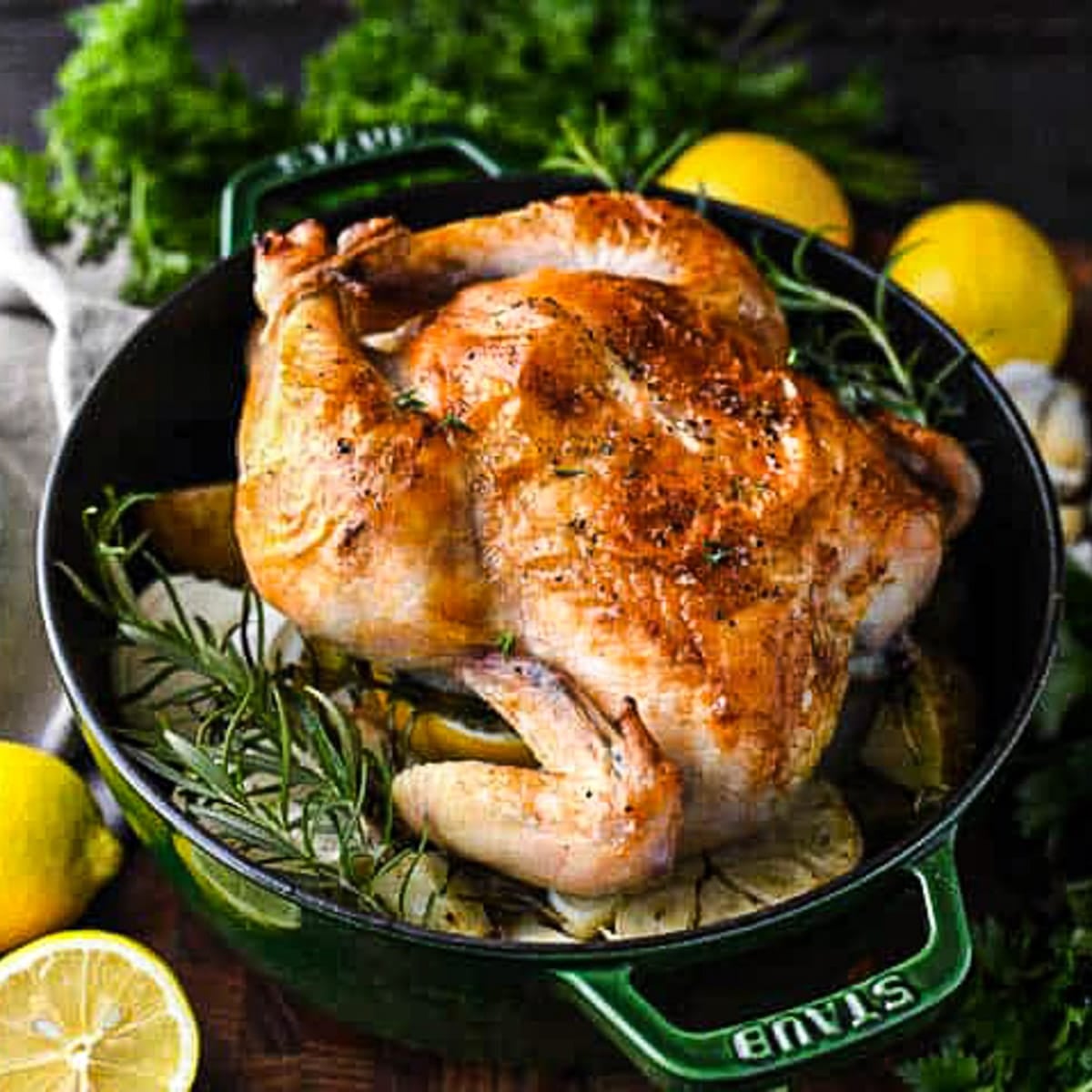
The Ultimate Guide to Achieving Crispy Skin and Tender Meat in Your Whole Roasted Chicken
There are few aromas as comforting and inviting as a whole roasted chicken emerging golden and glistening from the oven. It’s a dish that evokes images of cozy family dinners and effortless elegance, yet many home cooks are intimidated by the prospect of roasting an entire bird. The good news? Achieving that coveted crispy skin and unbelievably tender, juicy meat is far simpler than you might imagine. With just a few key techniques and quality ingredients, you can master the art of the perfect oven roasted chicken, transforming a simple meal into a show-stopping centerpiece that tastes like it took all day, but comes together with surprising ease. This comprehensive guide will walk you through essential tips and tricks, ensuring your next whole roasted chicken is nothing short of spectacular. We'll delve into preparation secrets, optimal cooking methods, and smart strategies to guarantee a succulent interior and a delightfully crisp exterior every single time. Get ready to impress yourself and your loved ones with a dish that consistently delivers on flavor and texture.Mastering the Prep: From Bird to Braising Dish
The journey to a perfect whole roasted chicken begins well before it even touches the oven. Proper preparation is paramount for both safety and superior results.- Start with Room Temperature: Remove your chicken from its packaging, unwrap, and carefully remove any giblets from the cavity. Allow the chicken to sit at room temperature for at least 30-60 minutes before roasting. This crucial step helps the chicken cook more evenly, preventing the exterior from overcooking while the interior struggles to reach the target temperature.
- Pat it Dry: This is arguably the most important step for achieving crispy skin. Moisture is the enemy of crispiness. Use paper towels to thoroughly pat the entire chicken dry, inside and out. Don't be shy – get into every crevice. For an even crispier skin, some chefs advocate for leaving the chicken uncovered in the refrigerator overnight to air-dry further.
- Season Liberally and Thoughtfully: Seasoning isn't just for flavor; it also helps draw out moisture and promote browning.
- Under the Skin Magic: Gently loosen the skin over the breast and thighs, being careful not to tear it. Take softened butter (or olive oil for a dairy-free option) and spread it evenly under the skin, working your way around the whole chicken. This layer of fat not only infuses the meat with incredible flavor and moisture but also helps render the skin, making it extra crispy.
- Season Everywhere: Don't forget the inside of the cavity! Sprinkle the entire chicken generously with coarse salt and freshly ground black pepper, ensuring every surface, including under the skin and inside the cavity, is coated. This deep seasoning is what truly elevates the flavor of your roast.
- Cavity Stuffing: Place aromatic ingredients like half a lemon, a few sprigs of fresh thyme or rosemary, and several cloves of garlic inside the cavity. These will release their essence, infusing the chicken from the inside out.
- Trussing (Optional but Recommended): Tying the chicken's legs together with kitchen twine and tucking the wing tips under the breast (trussing) helps the chicken cook more evenly and results in a more compact, attractive presentation. While not strictly necessary, it prevents the wing tips from burning and ensures the breast and thighs cook at a similar rate. If you're new to it, don't fret; your chicken will still be delicious un-trussed.
- Prepare Your Roasting Bed: In a braising dish or roasting pan, place your chosen vegetables (chopped carrots, potatoes, celery, onions, or even Brussels sprouts work wonderfully). Add the remaining half of your garlic bulb, herbs, and squeeze half a lemon over them. Drizzle with olive oil and toss to combine. This bed of aromatics not only flavors your chicken from below but also creates delicious drippings for gravy and becomes a fantastic side dish in itself. Place your prepared chicken breast-side up on top of the vegetables.
The Roasting Process: Heat, Time, and Golden Perfection
The oven is where the magic truly happens, transforming your seasoned bird into a succulent masterpiece. Precision and patience are key.Preheating and Initial Roast:
Preheat your oven to a robust 425°F (220°C) with an oven rack set in the middle. A higher initial temperature is excellent for kickstarting the browning process and achieving that desirable crispy skin. Once your oven is fully preheated, place the roasting pan with your chicken inside. Resist the urge to open the oven door during the first phase of cooking – consistent heat is vital.
Cooking Time and Temperature Checks:
A typical 3-4 pound whole roasted chicken will generally cook for approximately 60-75 minutes at 425°F. However, cooking times can vary significantly based on your oven, the chicken's exact size, and whether it was truly at room temperature. The most reliable way to determine doneness is by using an instant-read meat thermometer. Insert the thermometer into the thickest part of the thigh, near the bone, but without touching the bone. The chicken is fully cooked when the internal temperature reaches 165°F (74°C). Visual cues like clear juices (not pink) when pierced with a knife and meat that is no longer pink at the bone are also good indicators, but the thermometer is king.
Managing Browning and Ensuring Juiciness:
Keep an eye on the breast during the roasting process. If it's getting beautifully golden brown but still needs more time to reach the correct internal temperature, lightly tent it with aluminum foil. This prevents the skin from burning while the rest of the chicken finishes cooking. If, conversely, the skin is still pale, keep it uncovered to encourage further browning. For more detailed step-by-step instructions and ingredient lists, check out Your Guide to the Easiest, Juiciest Oven Roasted Chicken.
The All-Important Rest:
Once your whole roasted chicken reaches 165°F, remove it from the oven and transfer it to a cutting board. This is a critical step that many overlook! Tent it loosely with foil and let it rest for at least 10-15 minutes (or up to 20 minutes for a larger bird). Resting allows the juices, which have migrated to the center during cooking, to redistribute throughout the meat. Carving too soon will result in dry chicken as all those delicious juices will simply run out onto your board.
Achieving Crispy Skin and Succulent Meat Every Time
Let's synthesize the core principles and add a few more insights to ensure your whole roasted chicken is consistently outstanding.- Dry is Key for Crispy Skin: We can't stress this enough. Thoroughly patting the chicken dry with paper towels before seasoning is the single most impactful step for achieving that shattering, crispy skin.
- Fat and Seasoning Under the Skin: The butter or olive oil under the skin not only adds incredible flavor and moisture to the meat but also acts as a rendering agent, helping the skin crisp up beautifully. Don't be shy with salt and pepper, both inside and out.
- High Initial Heat: Starting with a high oven temperature (like 425°F) provides an immediate blast of heat that encourages the skin to crisp and brown quickly.
- Utilize a Roasting Rack: If your roasting pan doesn't have one, consider placing a wire rack inside your baking sheet or pan. This elevates the chicken, allowing hot air to circulate all around the bird, preventing a soggy bottom and promoting even browning and crispiness. Nicole McLaughlin, a culinary producer, often recommends a simple baking sheet with a rack on top.
- Don't Overcrowd the Pan: Give the chicken and vegetables space. An overcrowded pan can steam rather than roast, hindering crispiness and even cooking.
- Accurate Temperature Reading: An instant-read thermometer is your best friend. Rely on it over visual cues alone to guarantee safety and prevent overcooking, which is the nemesis of tender meat.
Beyond the Basics: Flavor Variations and Serving Suggestions
While a classic herb, garlic, and lemon combination is always a winner, there are endless ways to customize your whole roasted chicken.- Herb Swaps: Experiment with different fresh or dried herbs. Rosemary, sage, oregano, marjoram, or even a blend like Herbes de Provence can dramatically change the flavor profile. Consider making a compound butter with various herbs and garlic to spread under the skin.
- Spices and Rubs: For a different twist, create a dry rub with paprika, smoked paprika, chili powder, cumin, or even a touch of brown sugar for a sweet and savory glaze.
- Citrus Alternatives: Instead of lemon, try stuffing the cavity with orange or lime halves for a brighter, more aromatic chicken.
- Flavorful Liquids: Basting isn't strictly necessary if you've prepped well, but occasionally drizzling the pan drippings over the chicken during the last 20 minutes can add an extra layer of flavor. You can also add a splash of white wine or chicken broth to the bottom of the pan with your vegetables for more flavorful drippings and a touch of moisture.
Once carved, your perfectly roasted chicken pairs beautifully with the pan-roasted vegetables you cooked alongside it. Don't forget to make a simple pan gravy using the delicious drippings! Mashed potatoes, a fresh green salad, or steamed green beans are also fantastic accompaniments. For more ideas on how to elevate your meal with minimal fuss, explore Simple Ingredients, Incredible Flavor: Whole Roasted Chicken.
Roasting a whole chicken at home is a truly rewarding experience that delivers incredible flavor with surprisingly little effort. By following these essential tips – focusing on proper preparation, precise cooking, and that all-important resting period – you’ll consistently achieve a whole roasted chicken with crackling crispy skin and incredibly tender, juicy meat. It’s a versatile, comforting, and impressive dish that deserves a regular spot on your dinner table.
